
Key takeaways
- Military aircraft are collecting far more sensor data, especially optical, which is straining flight recorders and driving demand for rugged, flightworthy units that can transmit and store very large volumes at extreme rates.
- The RAPTOR fiber optic data recorder supports 2Gbps, 10Gbps and 25Gbps per channel across 24 channels, giving each sensor its own distinct, synchronized and user-programmable channel.
- Its Removable Memory Module (RMM) offers 132 TB of capacity, expandable to 570 TB, in a rugged case weighing 35 lb (16 kg), with thermal management built in.
- RAPTOR records up to four hours at these speeds and streams data continuously without buffering or stopping to save.
- Next-generation work includes four 25Gbps Ethernet channels combined into 100Gbps and RMMs of up to 730 TB without expansion, with inputs time-aligned to sub-microsecond accuracy.
The level of sensor data being collected by military aircraft has grown tremendously in recent years — especially in the optical realm. While this dramatically improves situational awareness, it also greatly taxes the flight recorders in a way never seen before.
Industry is racing to find answers to one critical need: how to source ruggedized, flightworthy recorders with the capability to transmit and store enormous amounts of data at extreme rates. These new platforms and systems are presenting unprecedented data generation and recording requirements, creating demand that most current offerings can’t meet.
It’s a problem Calculex has been addressing for over 30 years, and the company is rising to today’s challenge with solutions that have already achieved the DoD’s Initial Operating Capability (IOC). They are also ramping up to provide even greater capabilities as optical sensors grow more prevalent and will no doubt be standard equipment on all new military aircraft going forward.
Many newer flight recorders can provide a previously unheard-of data rate of 10 gigabit ethernet on one band. Now, industry is asking for a step change in transmission speed, with multiple 10 Gbps ethernet channels alongside ones with 25 Gbps capabilities.
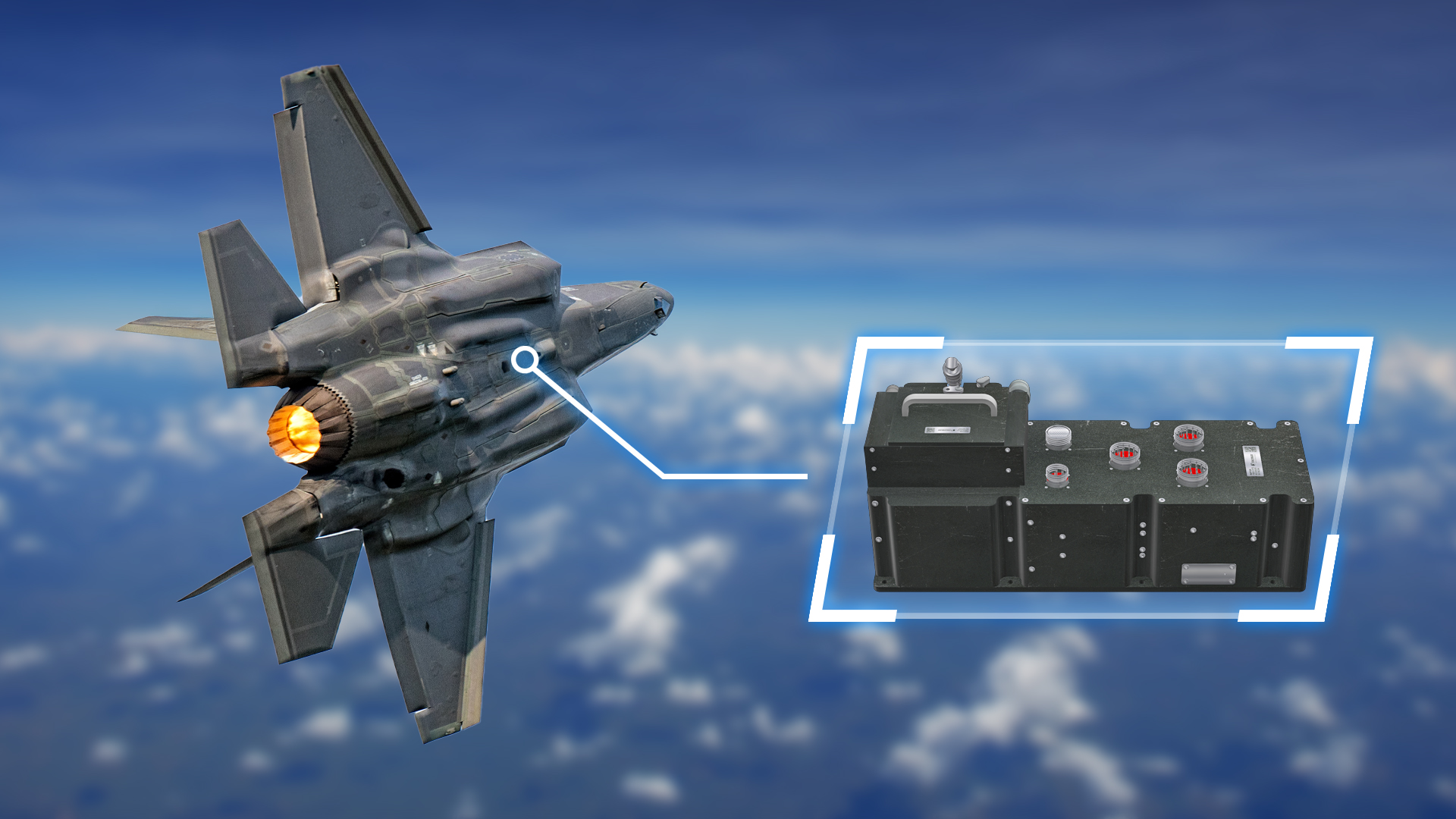
To meet these requirements, we developed the Raptor — a state-of-the-art high-speed fiber optic data recorder supporting 2 Gbps, 10 Gbps, and 25 Gbps per channel. With 24 available channels, the Raptor represents a new standard that enables a distinct, yet synchronized, channel for each sensor — fully programmable by the user.

Small, rugged and cool, with memory up to 570 TB
To store vast amounts of data, this unit features an ultra-high density Removable Memory Module (RMM), that offers 132 TB capacity, expandable up to 570 TB. To meet the high-stress needs of the aircraft environment, the Raptor is completely ruggedized and fits into a remarkably small case weighing only 35 pounds. It also has robust thermal-management capabilities to keep the unit cool, with even greater advances planned for future models.
In today’s threat environment, aircraft equipped to handle optical, radar, IR and other inputs will rely on a fast optical ethernet backbone — a vast leap from yesterday’s 1553 standard. The Raptor’s ability to record up to four hours at these advanced speeds is a true first in the industry, as is the ability to stream data continuously without any buffering or the need to stop and save data.
As we further enhance the capabilities of these recorders, we’re also working on RMMs that can manage up to 730 TB of data without expansion. In an ISR scenario, for example, this would allow for monitoring multiple sensors in real-time while also recording all the radar transmissions trained on an aircraft. This defensive capability empowers a pilot to easily map out anything on the ground targeting the aircraft.
Impressive as that is, Calculex is already fielding requests for even higher speeds. The way that will be addressed is with four, 25 Gbps ethernet channels that can be combined into 100 Gbps. Critical here is the ability to time-align all these inputs so that, regardless of the media, up to 24 channels can be merged into one recording. These are precisely overlaid within sub-microsecond accuracy and continuously checked with one another to reveal any anomalies.
Calculex has have literally set the standards for flight recorders since the early 1990s. With the ever-increasing need for speed and storage housed in small, ruggedized units, we’re at the forefront once again in creating advanced solutions for military aircraft today — and tomorrow.
Frequently asked questions
Why are military aircraft placing greater demands on flight recorders?
Sensor data collection on military aircraft has grown significantly, especially in the optical realm. That improves situational awareness but taxes flight recorders in ways not seen before. Industry needs rugged, flightworthy recorders that can transmit and store enormous amounts of data at extreme rates, and many current offerings cannot meet those requirements.
What data rates and channel counts does the RAPTOR support?
The RAPTOR is a high-speed fiber optic recorder supporting 2Gbps, 10Gbps and 25Gbps per channel. With 24 available channels, it provides a distinct but synchronized channel for each sensor, fully programmable by the user. Industry requests now include multiple 10Gbps Ethernet channels alongside channels capable of 25Gbps.
How much data can the RAPTOR store, and how large is it?
The ultra-high-density RMM offers 132 TB of capacity, expandable up to 570 TB. The recorder is rugged, fits into a small case weighing 35 lb (16 kg) and includes thermal management to keep the unit cool. RMMs capable of managing up to 730 TB without expansion are in development.
Why does a fast optical Ethernet backbone matter for newer aircraft?
Aircraft equipped to handle optical, radar, IR and other inputs will rely on a fast optical Ethernet backbone, a large step up from the 1553 standard. The RAPTOR can record up to four hours at these speeds and stream data continuously without buffering or stopping to save. In an ISR scenario, higher-capacity RMMs would allow monitoring of multiple sensors in real time while also recording the radar transmissions trained on the aircraft, which helps a pilot map threats from the ground.
How does the recorder keep multiple inputs synchronized, and what comes next?
Up to 24 channels can be merged into one recording, regardless of media, with inputs time-aligned to sub-microsecond accuracy and continuously checked against one another to reveal anomalies. For customers requesting higher speeds, the planned approach combines four 25Gbps Ethernet channels into 100Gbps.